
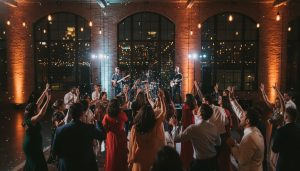
Sixty-five percent of couples planning their 2026 nuptials admit their biggest fear is a dead dance floor. It’s a valid concern. Even a stunning venue can’t save a night if the energy flatlines during the transition from dinner to dancing. You want your celebration to feel personal, professional, and entirely seamless. To achieve that, you need more than just a list of songs. You need a strategic wedding music planning checklist that accounts for the flow of the entire evening and the technical nuances of live performance.
We understand the stress of coordinating multiple vendors and the confusion over timing live music transitions. You deserve to feel confident that your guests are entertained from the first ceremony note to the final encore. This guide from The R Factor provides a professional perspective on mastering your wedding’s atmosphere. We’ll show you how to coordinate live musicians, manage high-energy dance floors, and curate a list of moments that feel both sophisticated and authentic. We’ll explore the essential steps to ensure your music moves as perfectly as you do.
Key Takeaways
- Learn how a professional wedding music planning checklist serves as the technical roadmap for coordinating a live band from the first guest arrival to the final encore.
- Discover the specific song counts and tempos required to maintain a sophisticated atmosphere during the ceremony and cocktail hour.
- Master the timing of reception transitions to ensure parent dances and the first dance lead into a high-energy, packed dance floor.
- Identify critical logistics for Minneapolis venues, including power requirements and stage dimensions, to prevent technical delays on the big day.
- Gain the professional perspective needed to manage multiple live musicians and transitions with the calm authority of an experienced event producer.
What is a Wedding Music Planning Checklist?
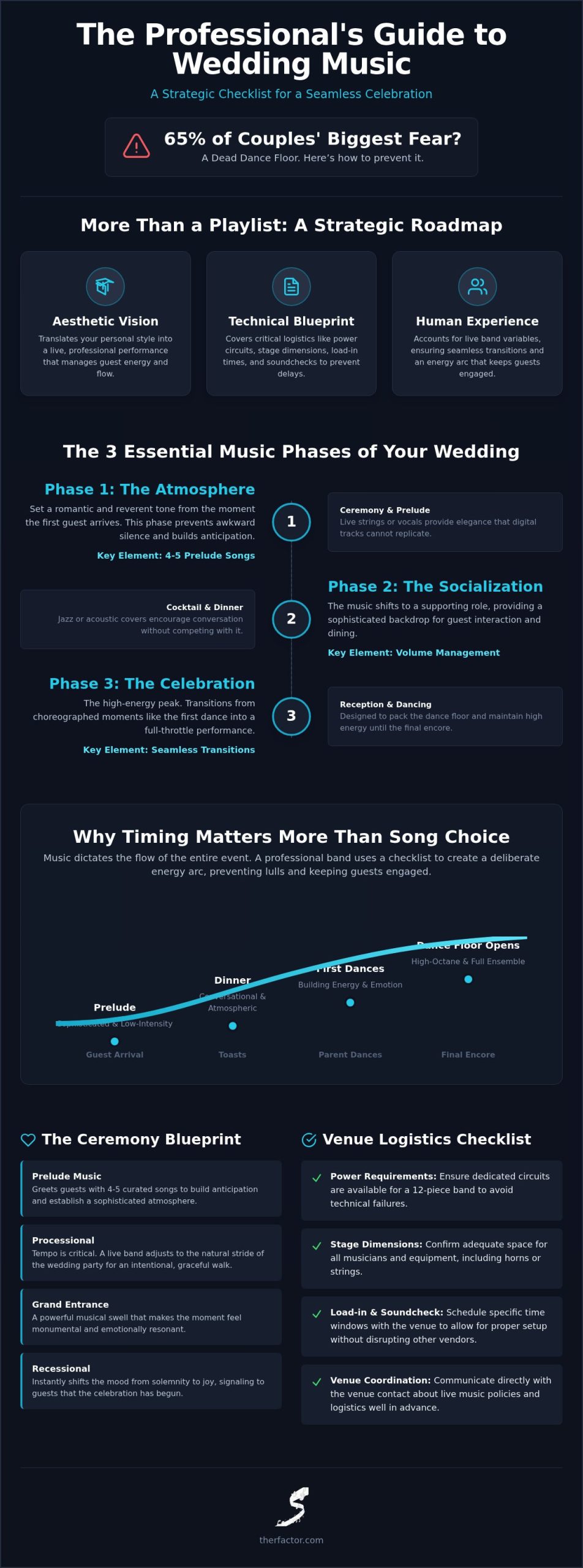
A professional wedding music planning checklist is far more than a simple list of favorite tracks. It’s a strategic roadmap for every auditory moment of your wedding day. Think of it as the bridge between your aesthetic vision and the band’s live execution. While amateur planners might treat music as an afterthought, seasoned professionals view it as the primary tool for managing guest energy. This document ensures that no technical requirements, such as stage dimensions or dedicated power circuits, are overlooked during the planning process.
Unlike a static DJ playlist, a live band checklist must account for human variables. Musicians need specific load-in times, soundcheck windows, and space for instruments like a full horn section or a violin. In Minneapolis, where venue requirements for 12-piece bands can vary significantly, this level of detail is non-negotiable for a stress-free experience. A wedding music planning checklist transforms a chaotic series of songs into a managed, professional performance.
The Essential Music Phases of Your Wedding
- Phase 1: The Atmosphere (Ceremony & Prelude): This phase relies on Wedding Music Traditions to set a reverent or romantic tone. It begins the moment the first guest arrives, using 4-5 prelude songs to fill the silence before the processional begins.
- Phase 2: The Socialization (Cocktail & Dinner): Here, the music shifts to a supporting role. The goal is to provide a sophisticated backdrop, often featuring jazz or acoustic covers, that encourages conversation without competing with it.
- Phase 3: The Celebration (Reception & Dancing): This is the high-energy peak. The checklist transitions from choreographed moments, like the first dance, into a full-throttle performance designed to keep the dance floor packed until the final note.
Why Timing Matters More Than Song Choice
Music dictates the flow of guest movement. If a transition is clunky or the volume is mismanaged, guests often take that as a cue to leave the room or head for the exit. We’ve found that 65% of couples worry about a dead dance floor, yet few realize that timing is the cure. A professional band uses the checklist to bridge the gaps between dinner, toasts, and the first dance, ensuring the energy never hits a lull.
A perfectly managed 6-hour wedding event follows a deliberate energy arc that begins with sophisticated, low-intensity textures and crescendos into a high-octane, full-ensemble performance that commands the dance floor. By focusing on the “when” as much as the “what,” you ensure a seamless experience that feels both personal and polished.
The Ceremony: Setting the Tone with Live Strings and Vocals
The ceremony serves as the emotional foundation of your day. It requires a precise wedding music planning checklist to ensure the transition from silence to celebration is handled with professional care. We don’t just play music; we curate an atmosphere that reflects your story. This begins with the prelude. As guests arrive, they should be greeted by a curated selection of 4-5 songs that fill the space and build anticipation. Silence can feel awkward in a large venue, but the right live music provides an immediate sense of arrival and sophistication.
When the processional begins, tempo is everything. A rhythm that is too fast feels rushed. A rhythm that is too slow feels stagnant. A professional ensemble adjusts their tempo to the natural stride of the wedding party, ensuring the walk feels intentional rather than accidental. The grand entrance follows, requiring a musical swell that makes the moment feel monumental. Finally, the recessional must shift the mood instantly. It marks the transition from solemnity to joy, signaling to your guests that the celebration has officially begun.
The Violin Advantage for Ceremonies
Incorporating a live violinist provides a layer of sophistication that digital tracks simply cannot replicate. The organic resonance of strings fills a room with warmth and elegance. Whether you prefer classical standards or contemporary pop covers, live instrumentation allows for real-time adjustments. If a flower girl stops halfway down the aisle, a live musician can extend a phrase seamlessly. For more inspiration on specific tracks, you might consult a comprehensive wedding ceremony music guide to see what fits your aesthetic. Coordination between the officiant and the musicians is critical here to ensure the music swells at exactly the right second.
Vocal Performance During the Service
If your service includes a moment of ‘Unity’ or ‘Reflection,’ a live vocal performance adds significant emotional weight. It’s vital to ensure the lyrics align with the ceremony’s intent. We often manage the technical needs, such as microphones and sound balance, to ensure the singer is heard clearly without overpowering the intimate setting. If you’re looking for a versatile live band that can handle both a delicate ceremony and a high-energy reception, choosing a managed ensemble is the most reliable path. This level of preparation is what separates a standard wedding from a truly professional production. Using a wedding music planning checklist ensures these small but vital details are never left to chance.
The Social Hour: Transitioning Guests to the Reception
The transition from a solemn ceremony to a vibrant reception is where many events lose their momentum. Professional coordination prevents this. A high-quality wedding music planning checklist treats the social hour as a strategic bridge, moving guests physically and emotionally from one space to the next. While some treat this time as mere background noise, we view it as the foundation for the evening’s energy. It’s about maintaining a sophisticated atmosphere that allows for conversation while subtly preparing the audience for the high-octane performance to come.
Live Music for Cocktail Hour
Dinner Entertainment Strategy
Dinner music requires a delicate balance. It must keep the energy simmering without competing with the clink of silverware or the hum of guest chatter. We curate a low-key setlist that feels intentional but recedes when necessary. The role of the bandleader becomes vital here. They don’t just lead the musicians; they manage the evening’s announcements, ensuring toasts and introductions happen with professional timing. Integrating this music with the venue’s specific acoustics is a task we’ve mastered over decades in the Twin Cities market. We know which rooms require a lighter touch and which can handle a fuller sound.
As dinner concludes, the “Transition Song” becomes the most important tool in our arsenal. This is the specific track that signals the party is about to start. It builds hype for the wedding party’s arrival and the grand introductions. By carefully selecting a song that shifts the tempo upward, we ensure the transition to the dance floor feels like a natural evolution rather than a jarring change. This managed approach removes the burden of coordination from your shoulders, allowing you to simply enjoy the flow of a perfectly executed evening.
The High-Energy Reception: Filling the Dance Floor
The reception is the climax of your wedding day. It’s the moment where professional planning meets raw energy. A comprehensive wedding music planning checklist must prioritize the transition from formal traditions to an irresistible dance party. We start with the First Dance. This isn’t just about playing a track; it’s about choreographing the band’s performance to your specific steps. If you’ve practiced a dip or a specific flourish, our bandleader ensures the music swells at that exact second. This level of live synchronization is something a recording simply cannot offer.
Parent dances follow a similar logic. We focus on keeping the emotion high but the timing tight. A four-minute song can feel like an eternity for guests watching from the sidelines. We often recommend edited live versions that capture the sentiment in a concise, impactful window. Once the formal moments conclude, the goal shifts entirely to filling the floor. A successful setlist strategy involves mixing decades and genres. We bridge the gap between Motown classics and modern hits to ensure every generation feels invited to the party.
The Power of a 10-Piece Band with Horns
There is a physical difference between hearing music and feeling it. A live horn section creates a “wall of sound” that vibrates through the room. It commands attention. Watching a 12-piece ensemble perform is a visual spectacle in itself, turning the music into a centerpiece of the evening’s entertainment. Scalability is a vital part of your wedding music planning checklist. While a 6-piece lineup works beautifully for intimate spaces, grand Twin Cities ballrooms often demand the full 12-piece experience to match the room’s scale and acoustics. Choosing the right ensemble size ensures the energy feels appropriate for your surroundings. To make the most informed decision about ensemble size and performance style, our guide to the best dance bands for weddings walks you through exactly what to look for when evaluating live acts for your celebration.
Managing the ‘Must-Play’ vs. ‘Do-Not-Play’ Lists
Trust is the most important element of a high-energy reception. While we welcome your “must-play” favorites, we encourage couples to give the band freedom to read the room. If a specific genre isn’t landing, an experienced bandleader pivots the setlist in real-time to bring the energy back up. We handle guest requests with professional discretion, ensuring the flow of the party remains uninterrupted. Finally, we plan the “Last Dance” for maximum impact. Whether it’s a high-octane anthem or a sophisticated slow finish, the final note should leave your guests wanting more.
If you are ready to secure a managed, professional musical experience for your celebration, book The R Factor for your wedding entertainment today. We take the weight of coordination off your shoulders so you can focus on the dance floor.
Logistics Checklist: Planning for Live Music in Minneapolis
A successful performance relies on more than just talent. It requires a meticulous wedding music planning checklist that addresses the technical realities of your specific venue. Before the big day, we recommend a walkthrough with your bandleader or entertainment manager. You must verify that the stage size can comfortably accommodate a 12-piece ensemble and that there is clear load-in access for heavy equipment. Power is another critical factor. A full band with a horn section and professional sound gear requires dedicated circuits to prevent technical failures during the event. If you’re still weighing your entertainment options, our live band vs dj wedding comparison guide breaks down the critical differences to help you make the most informed decision for your celebration.
Minneapolis & St. Paul Venue Considerations
Historic venues in the Twin Cities, especially those with high ceilings or stone floors, present unique acoustic challenges. These spaces often require a more nuanced sound balance to prevent echoes from muddying the performance. You should also be aware of local regulations. As of May 4, 2026, Minneapolis law requires businesses with general entertainment licenses to provide free hearing protection to customers and employees. This is a detail a professional entertainment partner will handle, but it is vital for your overall compliance and guest comfort.
If you’re planning an outdoor ceremony in a Minneapolis park, remember that the Minneapolis Park & Recreation Board requires a permit. These locations often restrict amplification to battery-powered systems and have specific rules regarding equipment placement. Downtown logistics also require foresight. Parking and load-in for a large ensemble in Minneapolis or St. Paul can be complex. We coordinate directly with your venue manager and event planner to ensure our arrival doesn’t disrupt the flow of your day. For a deeper dive into selecting the right ensemble and navigating local venue requirements, our live wedding music Minneapolis planning guide covers everything you need to book with total confidence.
Final Checklist Before the Big Day
As you enter the final six months of your timeline, start finalizing your song choices and special arrangements. This is the time to confirm whether you want the band to perform a specific live arrangement for your first dance or stick closer to the original recording. A professional wedding music planning checklist must include a final confirmation of the sound check schedule. We aim to be fully set up and tested long before your first guest arrives. Finally, ensure your vendor meals are planned for the musicians. A well-fed band is an energized band.
Ready to plan your Minneapolis wedding soundtrack? Contact The R Factor today to ensure your celebration is managed by the most experienced professionals in the Twin Cities.
Secure the Soundtrack for Your 2026 Celebration
Mastering your wedding’s atmosphere requires a shift from passive song selection to active event management. By following a professional wedding music planning checklist, you’ve established a roadmap that covers every auditory detail, from the delicate resonance of a ceremony violin to the physical impact of a 12-piece horn section. You now understand that the flow of your evening depends on technical precision and the ability of a bandleader to read the room in real-time. This level of coordination ensures that transitions feel seamless and the energy remains high until the final note.
Don’t leave your legacy to chance or unmanaged vendors. With decades of high-energy experience in the Minneapolis market, our ensembles offer the versatility of 6 to 12 piece lineups tailored to your venue’s specific needs. As a premier act managed by Marsh Productions, we provide the professional security you need to truly enjoy your day. Book the Twin Cities’ most versatile live band for your 2026 wedding and experience a celebration that is both sophisticated and unforgettable. Your perfect dance floor is waiting.
Frequently Asked Questions
How many songs should be on my wedding music planning checklist?
A comprehensive wedding music planning checklist should include 15 to 20 specific songs for key moments like the processional, recessional, and parent dances. For the reception, we recommend curating a broader list of 40 to 50 tracks that reflect your taste. This allows the band to read the room and adjust the energy while ensuring your absolute favorites are prioritized during the performance.
When should I book a live band for my 2026 wedding?
You should book a live band for your 2026 wedding at least 12 to 18 months in advance. High-demand dates in the Twin Cities market fill up quickly, especially for premier ensembles with full horn sections. Securing your entertainment early ensures you have the pick of the best talent and provides ample time for the band to learn any special requests you might have.
Do I need to provide sound equipment for a live wedding band?
No, a professional live band typically provides all necessary sound equipment, including the PA system, monitors, and microphones. We manage the technical setup and sound check to ensure everything is perfect before your guests arrive. You only need to verify that the venue provides a suitable stage and the required power circuits to handle the band’s gear without interruption.
Can a live band play my specific ‘First Dance’ song if it’s not in their repertoire?
Yes, we frequently learn specific songs for the first dance that aren’t currently in our repertoire. We generally ask for these requests several months in advance to allow for professional arrangement and rehearsal. This ensures the live performance of your special song feels polished and intentional, rather than a last-minute addition to the setlist.
What is the difference between a 6-piece and a 12-piece wedding band?
The primary difference lies in the “wall of sound” and visual impact. A 6-piece band usually includes the rhythm section and vocalists, which is ideal for intimate spaces. A 12-piece ensemble adds a full horn section and additional vocalists, creating a high-energy spectacle that fills large ballrooms. The larger group offers greater musical versatility and a more commanding presence on the dance floor. If you’re evaluating your options, our comprehensive resource on the best dance bands for weddings provides a detailed framework for comparing ensembles of every size.
How long does a live band typically play at a wedding reception?
A live band typically performs for three to four hours during the reception. This is usually broken into sets, such as two 90-minute sets or three 60-minute sets, depending on the flow of your evening. We coordinate these performance windows with your dinner service and toasts to ensure the music never competes with the event’s other essential moments.
What happens when the band takes a break?
The music never stops when the band takes a break. We provide curated background music or a high-energy playlist to maintain the atmosphere while the musicians rest. This ensures the energy in the room stays consistent. If you’ve included a “break playlist” in your wedding music planning checklist, we’ll ensure those specific tracks play during these intervals to keep guests engaged.
Is a live band louder than a wedding DJ?
A live band isn’t necessarily louder than a DJ, but the sound is more “present.” The organic resonance of drums and brass creates a physical energy that digital speakers can’t replicate. We use professional sound engineers to manage decibel levels, ensuring the music is high-energy on the dance floor while still allowing for conversation at the surrounding tables.