
Last Updated: November 19, 2026
Quick Summary
A professional cover band is worth hiring when you want guests singing and dancing from the first set, because familiar songs performed live build energy a playlist cannot match. The choice works best when the band’s repertoire and lineup fit your crowd, your venue, and your budget.
- A cover band plays songs originally recorded by other artists, so guests already know them.
- Live bands respond to the crowd, stretching songs when the dance floor is packed.
- Share must-play songs and songs to avoid so the set list reflects your guests.
- Confirm venue space, power, and load-in access before signing any contract.
- Compare itemized quotes for production, crew, and overtime, not just the headline fee.
Table of Contents
- What a Cover Band Is and How It Differs From Other Options
- Benefits of Hiring a Live Band for Your Event
- Professional Band Versus DJ, Playlist, or Amateur Band
- Matching the Repertoire: Choosing a Cover Band Song List
- Live Band Venue Requirements and Event Logistics
- Pricing, What a Quote Includes, and Pros and Cons
- Booking The R Factor for Your Next Event
- Frequently Asked Questions
Booking music for a wedding or corporate event is one of the few decisions that can make or break the whole night, and most planners only think about it once the venue and catering are settled. If you are weighing whether to hire a professional cover band, this guide from The R Factor walks through what that choice really involves, from how cover bands differ from other options to what a quote should include. The short answer: a live band builds energy that a playlist cannot match, but only if the band is right for your crowd.
What a Cover Band Is and How It Differs From Other Options
A cover band performs songs originally recorded by other artists, arranged for live performance with a full lineup of musicians and vocalists. That is different from an original band, which writes and performs its own material, and from a tribute band, which recreates one specific artist’s show. Most event clients want a cover band because the songs are familiar, so guests sing along and get on the dance floor from the first set.
Cover bands versus original bands
Original bands are valuable when you want to showcase a new sound or a specific artist’s catalog. For weddings and corporate parties, though, the goal is usually broad appeal. A cover band plays the songs your guests already know across several decades and genres, which keeps the room moving. Original material can work in a smaller portion of the set, but it rarely fills a three-hour reception on its own.
Cover band vs tribute band
A tribute band focuses on one artist, so it fits a themed event built around that musician. A cover band covers many artists, which gives you far more range. If your guest list spans a 25-year-old and a 70-year-old, a cover band can move between eras in a single night. Tribute bands are a strong choice for a theme party; a cover band is the better fit for a general celebration.
Benefits of Hiring a Live Band for Your Event
The biggest advantage of a live band is energy. A DJ can read a room, but a full band responds in real time, stretching a song when the dance floor is packed and shifting to a slower number when the crowd needs a breather. Guests notice the difference, and so do the people you hired to make the event memorable.
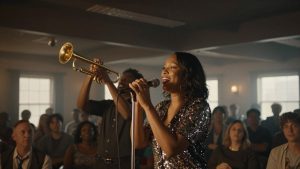
A live band also gives your event a sense of occasion. Horns, vocalists and a rhythm section create a visual and sonic experience that a speaker system struggles to replicate.
Below are the main benefits of a live band:
- Audience engagement: Live performers respond to the crowd and invite participation.
- Repertoire range: A large song catalog covers multiple generations and tastes.
- Operational ease: A good band brings its own sound, lighting and crew, so you do not coordinate separate vendors.
- Polish: Well-rehearsed musicians deliver a tight, consistent show from start to finish.
Professional Band Versus DJ, Playlist, or Amateur Band
A professional band, a DJ and an amateur group each serve different needs, and the right choice depends on your budget, guest count and tolerance for risk. To see what full-service band production adds, read Full Service Band Production Benefits for Your Event. A DJ can cover a long event with a large music library. A playlist works for background sound but offers no live interaction. An amateur group can be a lower-cost option, but performance consistency and equipment reliability vary.
A professional band is built for the moment. It brings rehearsed arrangements and musicians who know how to keep a crowd engaged across many genres. The tradeoff is cost and planning lead time, which we cover in the pricing section below.
Matching the Repertoire: Choosing a Cover Band Song List
Repertoire is where many events succeed or stumble. A large catalog matters, but only if the band can tailor the set to your audience. Share your must-play songs, the songs to avoid, and any first-dance or special-moment requests well before the event. Share your must-play songs and any songs to avoid so the set list can reflect your guests’ tastes.
Start by asking what the crowd will respond to most. For a wedding reception, plan for a mix of dance-floor favorites, slower songs for the couple, and a few genre shifts to keep different groups engaged. For a corporate party, lean toward widely familiar hits that suit a more formal room. Confirm how the band handles requests during the event.
Live Band Venue Requirements and Event Logistics
Before you sign, confirm what the venue can support. A full band needs space for drums, amplifiers, keyboards and a horn section, along with power and load-in access. Ask the venue about electrical capacity, stage or performance area size, and any noise restrictions that apply to your event.
Plan the timeline with the band as well. Load-in, sound check and breakdown all take time, so build those windows into your schedule. Clarify who handles parking, where the equipment is staged, and what happens if the room layout changes. These details rarely go wrong when they are settled early and ignored when they are left to the last minute.
Pricing, What a Quote Includes, and Pros and Cons
Pricing is the question most planners ask first and the one most band pages answer last. Pricing depends on quantity, dates, and delivery, so the most accurate figure comes from a written quote. You can also review wedding band pricing and package details to see how costs typically break down. What you can do is understand the cost drivers and read each quote line by line so you compare like with like.
What drives the price
- Band size and lineup. Larger lineups with more performers generally involve more fees and logistics than smaller groups.
- Performance length and set count. A two-hour set and a four-hour reception with breaks are different products. Ask how many sets are included and what the overtime rate is per hour or per half hour.
- Date and demand. Saturday evenings in peak wedding season command more than a Thursday corporate reception, and holiday weekends are usually the most expensive dates on the calendar.
- Travel and lodging. Travel and lodging can affect the total cost, so confirm how they are handled in your quote.
- Production. Confirm whether the quote covers sound and lighting and who operates the equipment.
- Add-ons. Ceremony music, cocktail-hour acoustic sets, DJ services between band sets, and emcee duties are commonly priced separately.
What a complete quote should itemize
A quote you can actually compare will list the performance fee, the number and length of sets, load-in and sound-check windows, the production package (PA, microphones, monitors, lighting), the number of crew, travel and lodging, any overtime rate, the deposit amount and due date, and the cancellation and rescheduling terms. If a quote is a single number with no breakdown, ask for the breakdown before you sign.
Watch out: a low headline number often excludes sound and lighting, which then appear as separate vendor costs later. Compare total delivered cost, not the performance fee alone.
Deposits and payment terms
Ask for the deposit amount, the refundability window, and the final payment date in writing. Ask what happens if the venue changes or the date moves.
Pros and cons at a glance
Pros of hiring a professional cover band
- Strong guest engagement and dance-floor energy
- Broad repertoire across genres and generations
- Production support handled in one contract
- Rehearsed, consistent performances
Cons to weigh
- Higher cost than a DJ or playlist
- Requires earlier booking and more coordination
- Space and power needs at some venues
Request written quotes from more than one provider and compare the itemized totals, not the headline number.
The article breaks down what drives a cover band’s price and what a complete quote should itemize.
| Quote item | What to check | Why it matters |
|---|---|---|
| Performance fee | Itemized, not a single number | Shows the true base cost |
| Sets and length | Number of sets and overtime rate | Affects total time cost |
| Production | PA, microphones, monitors, lighting | Often priced separately if omitted |
| Crew | Number of crew included | Confirms who operates equipment |
| Travel and lodging | Handled in the quote | Can change the total |
| Deposit and due date | Refundability window and final payment | Sets your payment schedule |
| Cancellation terms | Rescheduling and cancellation policy | Protects you if plans change |
Booking The R Factor for Your Next Event
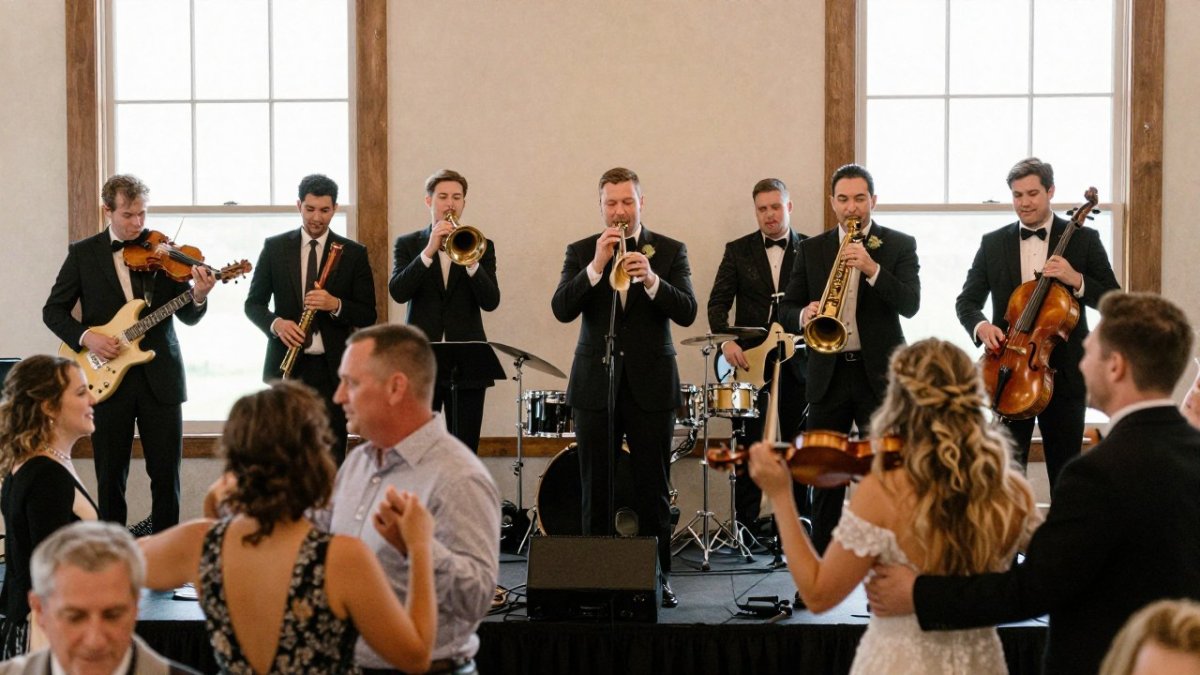
If a live band fits your event, The R Factor brings 30 years of experience to weddings, corporate functions and private celebrations. Our eight-piece lineup includes four singers, a horn section, a rhythm section and a violinist, with a catalog of 750 songs and full sound, lighting and production support. Share your date, guest count and must-play songs to request a quote from The R Factor.
Book now.
Frequently Asked Questions
How much does it cost to hire a professional cover band?
Pricing depends on band size, event date, length of performance, travel distance and production needs such as sound and lighting. Pricing depends on quantity, dates, and delivery, so the most accurate figure comes from a written quote from The R Factor. Ask for an itemized quote that lists what is included, such as sound and lighting, and any travel fees.
What is the difference between a cover band and a tribute band?
A cover band performs popular songs originally recorded by many different artists, usually adapting them to its own arrangements and style. A tribute band recreates the sound and look of one specific artist or group. Cover bands suit mixed-age crowds and varied playlists at weddings and corporate events, while tribute bands fit themed nights built around a single act. Ask a prospective band which model they run before you plan your song list.
How do you choose a cover band for a wedding or corporate event?
Start by confirming the band can perform the full length of your event and handle your guest count and venue size. Review a sample set list and ask questions about how the band handles your event’s size and tone. For corporate events, check that the group can adjust to a formal tone and keep volume appropriate for conversation. Confirm who handles sound, lighting and backup equipment, and what happens if a member is unavailable on the day.
What should an event venue provide for a live band?
Most bands need a stage or a clear performance area, adequate power outlets, load-in access for equipment, and a space where the band can set up and tear down without blocking guests. Ask the venue about floor load limits, noise restrictions and the schedule for load-in and load-out. Confirm these details with the band early so setup does not create delays on the event day.

Recent Comments